
Key Takeaways
- Uneven texture can appear as tiny bumps, rough patches, enlarged pores, congestion, or skin that simply does not feel smooth.
- Dead skin buildup, dehydration, excess oil, and Singapore’s humid climate can all make texture concerns more noticeable.
- Using good skincare products does not always solve the problem if they are not suited to the actual cause of the unevenness.
- Over-exfoliating can irritate the skin barrier and make roughness, redness, or sensitivity look worse.
- The most suitable professional treatment depends on whether your main concern is dullness, dehydration, congestion, or uneven tone.
Ever Feel Like Your Skin Just Doesn’t Feel Smooth?
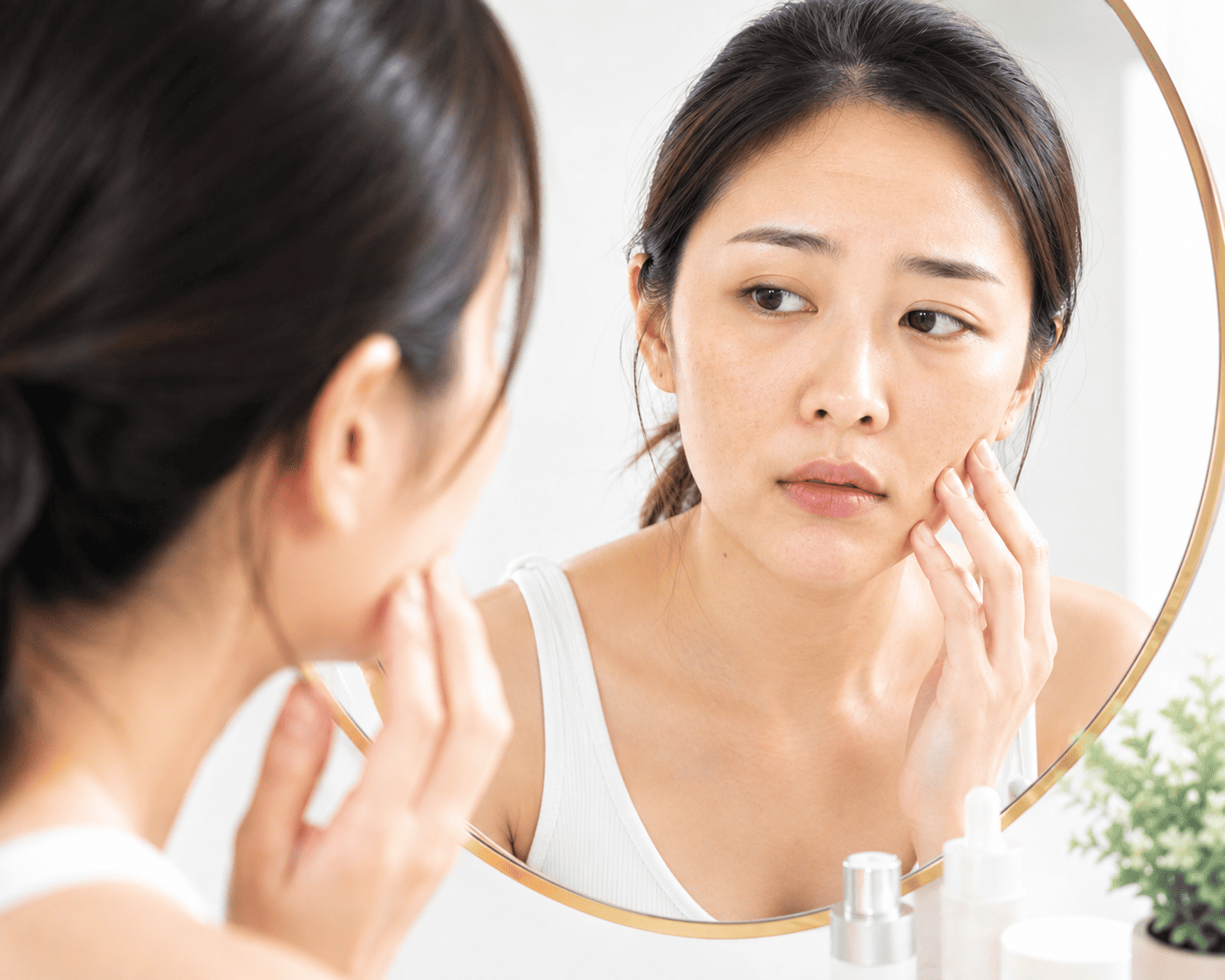
You run your fingers across your cheeks and notice tiny bumps.
Your makeup doesn’t seem to sit as evenly as it used to.
Your skin looks fine from a distance, but up close, it feels rough, uneven, or textured.
If you’ve ever wondered why your skin doesn’t feel as smooth as you’d like, you’re not alone. Different skin textures on the face are one of the most common concerns people notice, even when they aren’t dealing with obvious breakouts.
The good news is that uneven texture can happen for a variety of reasons, and understanding what’s causing it is often the first step towards improving it.
What Does Uneven Skin Texture Actually Look Like?
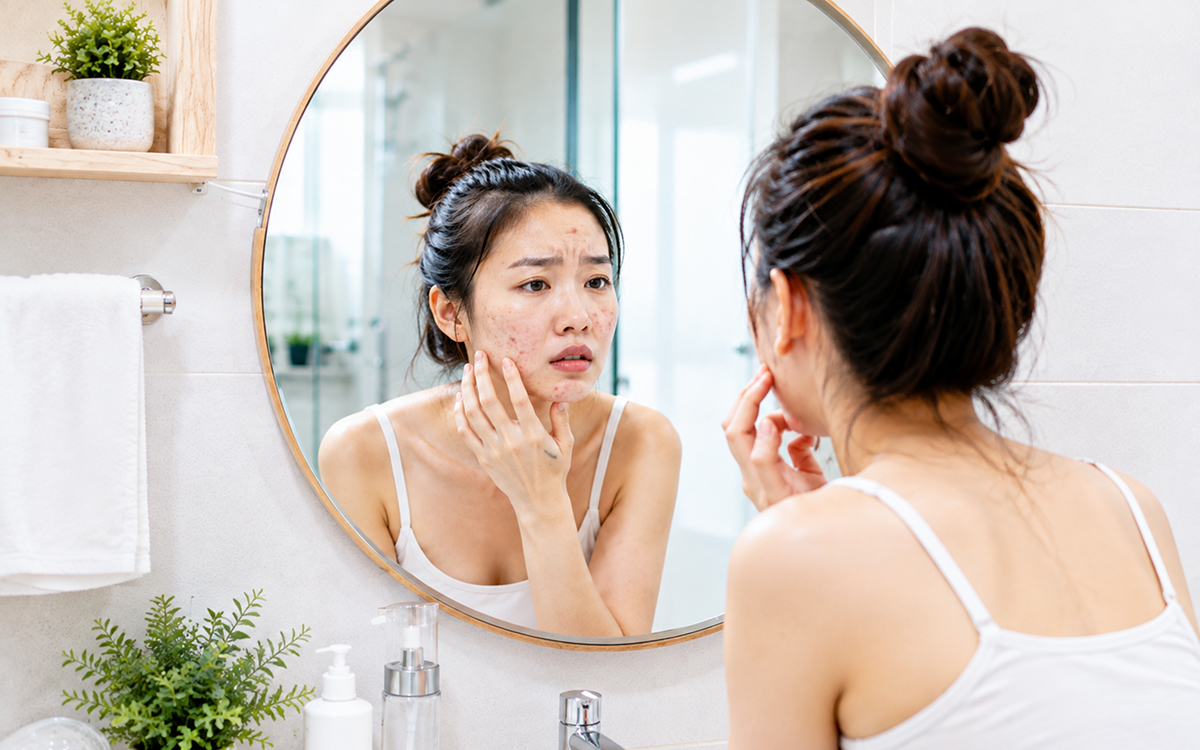
Uneven skin texture doesn’t always mean severe acne or visible skin problems.
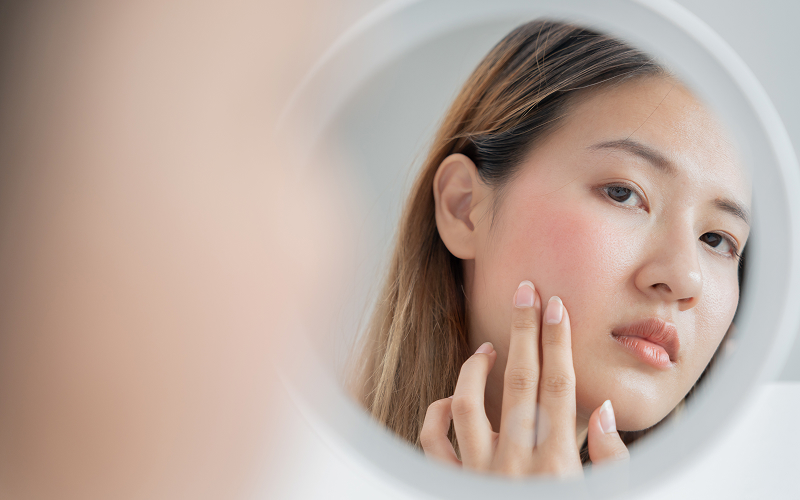
Sometimes it shows up as skin that simply feels rough when you touch it. Other times, you may notice small bumps across certain areas of the face, enlarged pores around the nose and cheeks, or patches of skin that seem dull and uneven.
For some, the texture becomes more noticeable after breakouts have healed. For others, the skin may feel congested even when there are no visible pimples.
Because different skin textures on the face can appear in different ways, it is not always easy to pinpoint the cause without looking at your overall skin condition and daily habits.
Why Does Skin Become Uneven?
There is rarely one single reason behind uneven skin texture. More often, it develops because several factors are affecting the skin at the same time.
Your Skin Isn’t Shedding Dead Skin as Efficiently
Healthy skin naturally sheds old skin cells and replaces them with newer ones.
When this process slows down, dead skin can build up on the surface. This can leave the skin feeling rough, looking dull, and appearing less smooth overall.
The build-up can also contribute to clogged pores, which may make texture concerns even more noticeable. Recognising this different skin texture on your face can help you understand what your skin may be trying to tell you.
Dehydration Can Make Texture More Noticeable
When skin lacks hydration, it often loses some of the plumpness that helps it look smooth and healthy.
Fine lines may appear more visible, rough areas can feel more pronounced, and the overall skin surface may look less even.
This is why dehydrated skin can sometimes feel textured even when there is very little congestion present.
Excess Oil Can Lead to Congestion
Oil production plays an important role in keeping skin comfortable, but excess oil can sometimes contribute to clogged pores.
When oil mixes with dead skin cells and other impurities, congestion can develop beneath the surface. This may create small bumps and uneven areas that affect the overall texture of the skin.
Singapore’s Climate Can Be Tough on Skin
Singapore’s weather can be surprisingly challenging for maintaining balanced skin.
Moving between humid outdoor conditions and strong indoor air-conditioning throughout the day can affect hydration levels and skin comfort. Combined with daily exposure to heat, sweat, and environmental pollutants, these factors can place additional stress on the skin over time, contributing to different skin textures on your face.
Why Aren’t Good Products or More Exfoliation Always the Answer?
It can be frustrating to invest in quality skincare, follow your routine consistently, and still notice roughness or bumps. However, the quality or number of products you use does not necessarily determine whether your skin texture will improve.
The important consideration is whether your routine suits what is actually contributing to the unevenness. A hydration-focused product, for example, may have limited impact if congestion is the main concern, while products designed to control oil may not address roughness caused primarily by dehydration.
Exfoliation presents a similar problem. While removing accumulated dead skin can support a smoother-looking surface, exfoliating more frequently is not automatically more effective. Over-exfoliating can disrupt the skin barrier and contribute to dryness, irritation, redness, or sensitivity, which may make the skin appear even more uneven.
Adding more active ingredients can also place unnecessary stress on the skin. Skin texture correction is therefore usually less about doing more and more about choosing an approach that suits your current skin condition.
So, What’s the Best Way to Improve Skin Texture?
Improving skin texture is usually a gradual process rather than a quick fix.
Step 1: Clear Congestion
If clogged pores and build-up are contributing to uneven texture, the first step is often helping the skin stay clear and balanced.
Reducing congestion can help minimise bumps and create a smoother-looking surface over time.
Step 2: Support Healthy Skin Renewal
Healthy skin naturally renews itself, but this process can sometimes slow down due to lifestyle factors, environmental stress, or improper skincare habits.
Supporting healthy renewal can help improve roughness and encourage a more refined appearance.
Step 3: Restore Balance
Hydration, barrier support, and overall skin health all play a role in how smooth skin looks and feels.
When the skin is balanced and comfortable, texture concerns often become less noticeable and easier to manage. Addressing different skin textures on your face usually involves improving skin health as a whole, rather than focusing on a single concern.
Why Professional Guidance Can Make a Difference
Uneven skin texture can have several contributing factors, which is why a one-size-fits-all approach doesn’t always work.
Professional guidance allows your skin to be assessed as a whole rather than focusing on a single symptom. Instead of guessing whether dehydration, congestion, excess oil, or other factors are contributing to the issue, a trained therapist can help identify what your skin needs most.
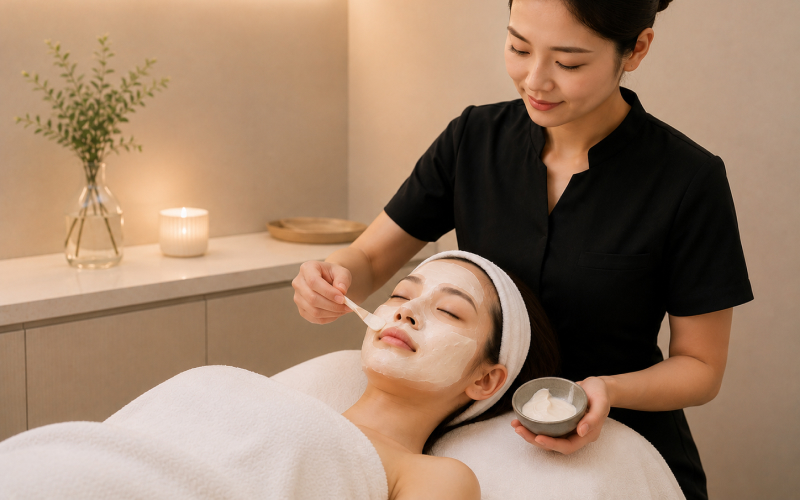
Depending on your skin’s condition, a treatment plan for uneven skin may include professional facial solutions that target hydration, congestion, skin renewal, or overall balance. Professional treatments can be tailored according to your skin’s condition, with adjustments made as your skin responds over time.
If dullness is your main concern, a brightening facial may help improve the appearance of skin radiance while supporting a fresher, more luminous complexion.
When dehydration, roughness, or a weakened skin barrier are contributing to uneven texture, a hydra facial treatment may help replenish moisture and improve overall skin comfort, making the skin appear smoother and healthier.
If uneven skin tone is more noticeable than roughness alone, a whitening facial may be recommended to help promote a more even-looking complexion alongside an appropriate home skincare routine.
The appropriate treatment or recommendation is determined through an assessment of your skin and the concerns present at the time. If your skin’s needs change in the future, your therapist can reassess its condition and recommend suitable options for subsequent treatments rather than assuming that the same approach will remain appropriate indefinitely.
At Fresver Beauty, we believe that improving skin texture starts with understanding your skin first. Through personalised assessments and customised treatments, we help you work towards skin that not only looks smoother, but feels healthier and more balanced too. Book an appointment with us today.


 Fresver Beauty