
Introduction
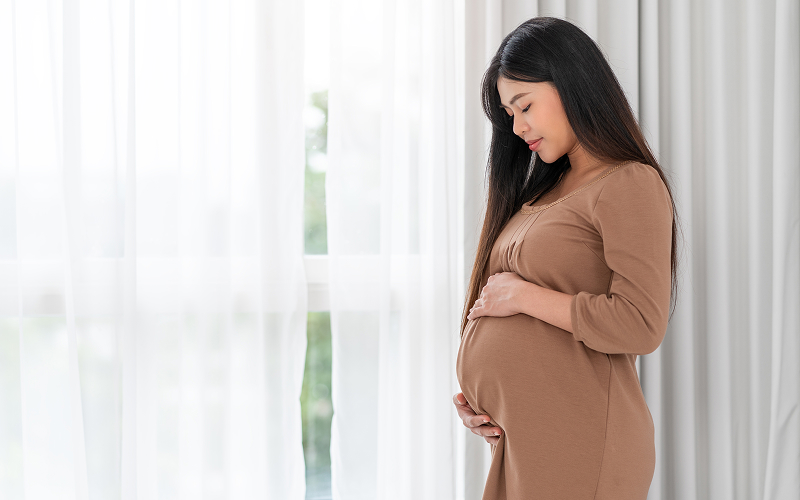
Have you ever had a moment after giving birth when everyone is asking about the baby, while your own body still feels unfamiliar? Between broken sleep, feeding schedules and tenderness around your abdomen or pelvis, you may wonder when you will start to feel more like yourself again.
That is a very real part of postpartum recovery. The changes do not end once your baby arrives, and how you feel afterwards can depend on your delivery method, overall health, breastfeeding, sleep and your own pace of healing.
There is an emotional side as well. New routines, hormonal shifts and caring for a newborn can leave you tired, overwhelmed or a little out of step with yourself. There is no single timeline every mother has to follow.
A holistic approach brings together medical follow-up, rest, balanced nutrition, appropriate movement, emotional support, and suitable self-care. Once medically ready, you may also explore gentle options such as womb treatment as part of postpartum recovery. The aim is not to replace medical care, but to create more space for comfort, relaxation and postpartum wellness.

Part 2: Understanding Postpartum Changes
2.1. The Physical Changes After Childbirth
After childbirth, your body begins adjusting across several areas at once. The uterus starts contracting, while the abdominal muscles, pelvic floor, and surrounding tissues respond to the strain of pregnancy and delivery.
That is why you may experience cramping, tenderness, weakness, heaviness, or a sense that your core does not feel as steady as it used to. Their intensity can vary according to the type of delivery, overall health, and whether complications occurred during pregnancy or labour.
Uterine Contraction After Childbirth
One physical change you may notice after childbirth is cramping in the lower abdomen. After delivery, the uterus gradually contracts towards its pre-pregnancy size in a process known as uterine involution.
Cramping is common during the early weeks and may feel stronger during breastfeeding because oxytocin stimulates uterine contractions. They may be more noticeable for some mothers, and milder for others. The timing and intensity vary from one person to person.
Abdominal and Pelvic Muscle Changes
Your core and pelvic region have spent months supporting a growing pregnancy. As the uterus expanded, the abdominal muscles stretched and the pelvic floor supported additional weight.
After delivery, these areas may feel weak, heavy, stiff, or simply different. Standing up, carrying your baby or changing position during feeds may make you more aware of lower abdominal discomfort, reduced core control or pelvic pressure as your body adjusts.
2.2. The Emotional and Mental Changes After Childbirth
There are days when postpartum recovery may feel less physical and more emotional. You might feel fine one moment, then tearful, irritable or unusually anxious the next. Broken sleep and new responsibilities can shape how you feel.
Some mothers may experience mood swings, emotional overwhelm, or worry as they adjust to changes in routine, identity, and daily life. While these experiences are common, they can look different for everyone.
Hormonal Changes
After delivery, hormone levels change quickly as the body adapts to no longer being pregnant. These shifts can affect mood, energy, sleep, concentration, appetite, and emotional resilience.
Breastfeeding, physical discomfort, sleep deprivation, stress, and the demands of caring for a newborn can all add to that experience.
More Persistent Emotional Changes
Some emotional changes settle as you find your rhythm, while others persist and affect daily life. Postpartum depression and postpartum anxiety may influence mood, sleep, concentration, relationships, and your ability to care for yourself or the baby.
If low mood, overwhelming anxiety, intrusive thoughts or difficulty coping continue, it is important to speak with a qualified healthcare professional. Emotional support after childbirth can be just as important as support for the physical side of recovery.
2.3. Why Holistic Wellness Matters After Childbirth
A night of broken sleep can make even simple tasks feel harder the next day. Physical discomfort can interrupt rest, poor sleep can deepen fatigue, and emotional strain can make a busy day feel even heavier.
That is why a holistic recovery approach looks at the whole picture. Postpartum recovery is shaped by healing after delivery as well as nutrition, sleep, family support, daily responsibilities and emotional well-being.
That mix therefore includes medical follow-up, balanced nutrition, suitable movement, practical help, rest, and emotional support. Once medically appropriate, some mothers may also choose gentle non-invasive therapy as part of their overall postpartum recovery plan, complementing rather than replacing medical care.

Part 3: What Is Womb Treatment?
3.1. Understanding Mud Moxibustion Womb & Ovary Treatment
After the earliest postpartum weeks, you may still notice lower-abdominal tightness, pelvic tension, low energy or a sense that your body has not quite settled. Womb treatment is a gentle wellness approach centred on comfort, relaxation, and supportive care.
The treatment focuses mainly on the lower abdominal and pelvic areas. Carefully adapted techniques may help the surrounding area relax, ease tension, and encourage you to feel more comfortable in your body again. That dedicated time can feel meaningful when most of your day is spent caring for your baby.
Although often explored during postpartum recovery, womb treatment may also appeal to women experiencing menstrual discomfort, abdominal tension, physical fatigue, or a general interest in womb wellness.
It is important to see womb treatment as complementary wellness care rather than medical treatment. It does not diagnose reproductive conditions, treat postpartum complications, or replace a doctor’s assessment. Once you have received the appropriate medical guidance, it may sit alongside the other parts of your postpartum recovery routine.
3.2. What Happens During a Womb Treatment Session?
If you have never tried womb treatment before, you may wonder what actually happens. The session begins with a conversation about your delivery method, stage of healing, sensitive areas, medical history and overall well-being. This helps the therapist personalise the session rather than follow a one-size-fits-all routine.
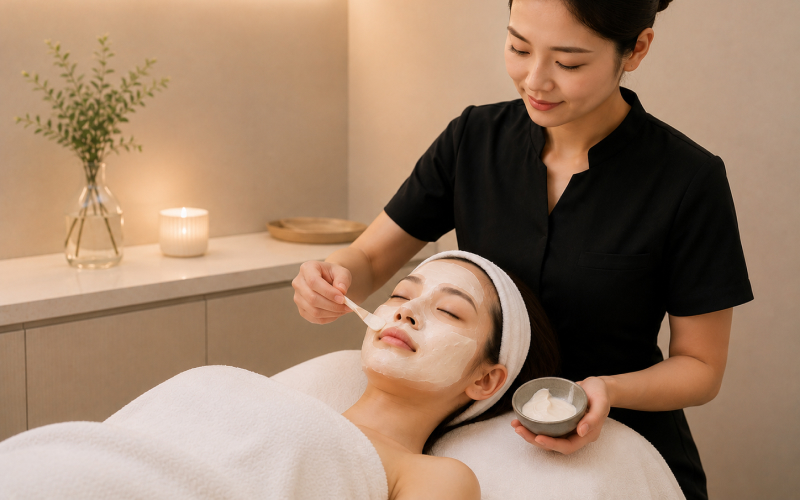
At Fresver Beauty, the Mud Moxibustion Womb and Ovary Treatment combines traditional techniques with herbal elements in a holistic, relaxation-focused experience centred on reproductive wellness, warmth, circulation and balance. It begins with Meridian Point Treatment using a warm Ginger Herbal Oil blend, intended to encourage warmth and circulation while easing deep-seated tension.
Next comes Meridian Brush Therapy, where a specialised brush is moved gently over selected acupressure or meridian points. In traditional wellness practice, this is described as helping to awaken “qi”, or the body’s vital energy. In simple terms, it is a gentle, rhythm-based stage of the treatment.
A Herbal Mineral Mud Mask is then applied over the womb and lower abdomen. It contains functional herbs including premium-grade Ginseng and Dang Gui. Within Fresver Beauty’s traditional wellness approach, this step provides warmth and nourishment and supports detoxification.
Throughout the session, the pace, pressure, positioning and areas of focus are adjusted to your comfort. The treatment remains gentle and relaxation-focused, without forceful manipulation. Healing wounds, sensitive areas and recent C-section scars are avoided unless medically cleared for gentle contact.
For many mothers, warmth, gentle touch and an unhurried pace can make the session feel like a quiet pause in a very full routine, while still respecting the limits of postpartum recovery.
3.3. The Role of Warmth and Circulation in Postpartum Recovery
Warmth has long been used in womb care to create a soothing feeling around the lower abdomen. When applied carefully, it may help surrounding muscles feel more relaxed and comfortable.
You may also come across the term cold womb symptoms in traditional wellness discussions. It is commonly used to describe experiences such as lower abdominal chilliness, pelvic heaviness, menstrual discomfort, low energy, or a lingering feeling of cold around the abdomen.
Some women who describe their discomfort as a cold uterus may be drawn to gentle warming approaches. In Singapore, moving from humid weather into strong air-conditioning can make warmth feel especially comforting.
These approaches may draw on moxibustion, which traditionally involves applying controlled heat near selected areas of the body.
3.4. Womb Treatment as a Non-Invasive Therapy
After childbirth, the idea of an intensive treatment may be the last thing you want. Womb treatment takes a gentler route: it does not involve injections, incisions, surgery, or forceful manipulation of the abdominal area.
When introduced at a medically appropriate stage of postpartum recovery, it may complement rest, balanced nutrition, gradual movement, pelvic floor rehabilitation, medical follow-up, and emotional support. The role of the treatment is to add comfort and relaxation rather than promise faster healing or immediate physical change.
3.5. Who May Consider Womb Treatment?
You may consider womb treatment once you have medical clearance and are looking for gentle support. Perhaps your lower abdomen feels tense, your pelvis feels tired after carrying your baby, or you simply miss having time when the focus is on you.
A session can create a dedicated break from feeding, carrying, and settling your baby. That quiet space may be valuable during postpartum recovery when much of your day revolves around someone else’s needs.
Suitability still needs to be assessed individually. If you are recovering from a C-section, assisted delivery, significant tearing, postpartum haemorrhage, infection, wound complications, or other medical concerns, speak with your healthcare provider before beginning any form of treatment.

Part 4: How Womb Treatment Supports Postpartum Recovery
Once womb treatment has been introduced at a medically appropriate stage, its value lies in the gentle support it may offer rather than changing the body’s natural healing process. the treatment focuses on comfort, relaxation, and personalised care. Think of it as one small part of postpartum recovery: a way to support comfort around the lower abdomen and pelvis, encourage relaxation and give you time to slow down without putting your body on a fixed timeline.
4.1. Supporting Comfort During Uterine Healing
As the body continues through postpartum recovery, the uterus gradually returns closer to its pre-pregnancy size while surrounding tissues heal. During this period, your lower abdomen may still feel tender or sensitive when moving, feeding your baby or getting up after sitting for a while.
Once you have medical clearance, womb treatment may help by encouraging relaxation around the lower abdomen and pelvic region. Rather than influencing uterine contraction or accelerating uterine healing, the treatment focuses on easing tension in the surrounding muscles and tissues so the area may feel more comfortable.
Because every mother’s recovery is different, the treatment should always be adapted to your stage of healing. Pressure should remain gentle, while recent C-section scars, healing wounds, or tender areas should be avoided until they are medically ready for contact.
4.2. Supporting Physical Comfort and Mobility
During postpartum recovery, your abdominal muscles, pelvic floor, lower back, and surrounding tissues are still adapting. You may notice this when lifting your baby, bending over a cot, sitting through a long feed or standing after being in one position.
Womb treatment may complement this process by encouraging relaxation around the lower abdomen and pelvis, helping these areas feel less tense during everyday movement. There is no need for forceful manipulation or unnecessary pressure on healing tissues.
The pace, pressure, and positioning of each session can be adjusted as your needs change, including on days when your body feels more sensitive.
4.3. Supporting Emotional Well-Being Through Relaxation
When your day is measured in feeds, naps and the next thing that needs doing, quiet time can feel rare. A womb treatment session creates space to slow down, rest, and reconnect with your own well-being.
Alongside encouraging relaxation, the treatment is also designed to support hormonal balance during the postpartum period. As your body continues adjusting after childbirth, this combination of gentle care and dedicated rest may help you feel more settled physically and emotionally..
That quiet time can sit alongside other forms of support that matter after childbirth, from family help and medical follow-up to rest and practical support.
4.4. Fresver Beauty’s Personalised Approach to Postpartum Recovery
At Fresver Beauty, we recognise that every mother’s recovery feels different. Delivery method, healing progress, physical sensitivity, emotional well-being, and medical history all influence what may be appropriate.
That is why each session begins by understanding how you are feeling at that point in your postpartum recovery. We can then adapt the pace, pressure, positioning, and areas of focus rather than applying the same routine to every mother.
One mother may notice abdominal tightness, while another may feel pelvic tension, lower back fatigue, or general exhaustion. Someone else may simply want time to rest and reconnect with her body. Personalised care allows the session to reflect those differences.
Womb treatment works best as one element within a wider plan. Rest, balanced nutrition, suitable movement, pelvic floor rehabilitation, medical follow-up, and emotional support all have a place, with treatment supporting comfort and relaxation where appropriate.
Frequently Asked Questions
When can I start womb treatment after giving birth?
There is no single date that suits every mother. Timing depends on your delivery method, healing progress and medical condition. Vaginal and Caesarean births have different recovery timelines, so seek clearance from your healthcare provider first.
Is womb treatment suitable after a Caesarean section?
It may be suitable once your incision and surrounding tissues have healed sufficiently. You will need to seek your doctor’s approval before beginning womb treatment after a Caesarean section. Your therapist should also adapt the session to avoid placing pressure on the scar or other sensitive areas until it is medically appropriate.
Can womb treatment replace postpartum physiotherapy or medical care?
No. Womb treatment is a complementary wellness therapy and should not replace medical follow-up, pelvic floor rehabilitation, physiotherapy, or treatment recommended by your healthcare provider. It is intended to sit alongside these forms of support as part of a broader postpartum recovery plan.
Conclusion
Postpartum recovery can feel different from one day to the next. At times cramping or tenderness may stand out; at others, tiredness or emotional overwhelm may feel more noticeable. There is no need to measure yourself against someone else’s timeline.
Medical care remains the foundation of postpartum recovery, while gentle wellness practices can offer additional comfort once your body is ready. Womb treatment is designed to complement that care by creating a relaxing experience, easing a sense of tension around the lower abdomen and pelvis, and giving you dedicated time for yourself.
At Fresver Beauty, every session begins with an understanding of your stage of healing, comfort level, and individual needs. Our personalised approach respects the fact that recovery is personal and that gentle support should fit around you, not the other way around. Book an appointment with us today.

 Fresver Beauty